
Branded or Independent? What We Have Learned Managing Both
Generation Hospitality Group
Generation Hospitality Group manages both branded and independent hotels. Here is what operating both models has taught us, and how we align sales, marketing and revenue management to serve each one.
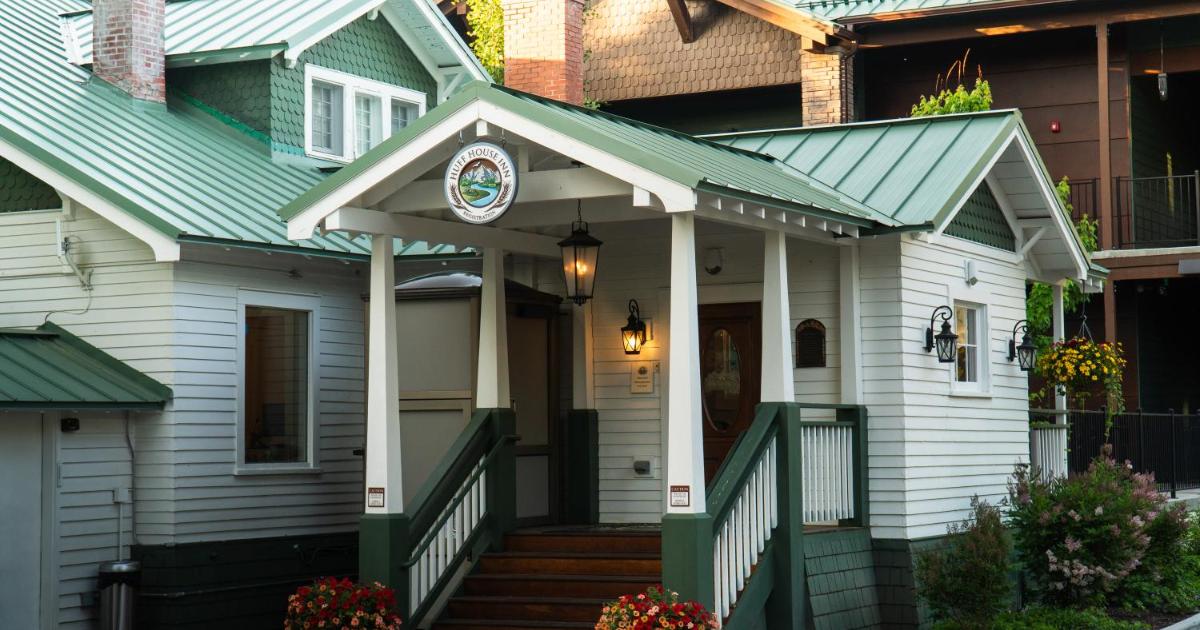
Among the questions hotel owners bring to us, one comes up more than any other: should a property carry a brand, or should it stand on its own? There is no single answer that fits every hotel, and at Generation Hospitality Group we have the advantage of managing both. Our portfolio includes hotels from the Hilton, Hyatt and Marriott families in markets such as Salt Lake City, Bozeman, Billings, Lincoln, Sacramento and Gilbert, alongside independent properties with deep local roots, including Huff House Inn and Cabins in Jackson, a village of log cabins in West Yellowstone and a hotel near the north entrance of Yellowstone National Park in Gardiner.
Operating both models side by side has given us a clear view of what each one does well, where each one asks more of an owner, and what strong management looks like in either case.
What a Brand Brings
A recognized brand gives travelers an immediate sense of what to expect, and that recognition carries real weight in markets driven by business and highway travel.
- Distribution and loyalty: Travelers searching a brand's app or redeeming loyalty points can find the hotel without ever having heard its name.
- A proven foundation: Brand standards, training programs and design guidelines give a property a tested framework to operate within.
- Financing and resale: Lenders and buyers often view a recognized flag as a lower risk investment.
The tradeoff is cost and control. Franchise, loyalty and reservation fees accumulate over time, and brand standards can require renovations on the brand's schedule rather than the owner's. A branded hotel performs at its best when its management team executes those standards consistently while still giving guests a stay that feels personal.
What Independence Brings
An independent hotel has the freedom to become exactly what its location calls for. Our independent properties sit near places like Yellowstone National Park and Jackson Hole, where travelers want a stay that feels connected to the destination itself.
- Character: Log cabins, local design and a name that belongs to the place are difficult to replicate under a brand standard.
- Flexibility: Owners decide the timing of renovations, the direction of pricing and the shape of guest programs.
- Lower fixed fees: Without franchise and loyalty assessments, more revenue remains with the property.
The tradeoff is visibility. Without a brand's reservation system and loyalty program behind it, an independent hotel must earn every booking on its own merits. That places greater importance on revenue management, online reputation, travel trade relationships and direct booking, which are the areas where experienced management makes the greatest difference.
What Stays the Same Either Way
Whether a hotel is branded or independent, the fundamentals of operating it well remain constant. These principles guide how we manage every property in our portfolio.
- People first: A hotel's reputation is built by the people who welcome its guests, so we invest in hiring, training and retaining strong team members.
- A consistent point of contact: Owners and travel partners work with a dedicated team and always know whom to call.
- Honest communication: We share performance openly, raise concerns early and explain the reasoning behind every recommendation.
- Disciplined operations: Careful cost control and preventive maintenance protect both the asset and the owner's return.
- Respect for each property's identity: A branded hotel should deliver its brand promise, and an independent hotel should feel like nowhere else.
Sales, Marketing and Revenue Management Working as One
At many hotels, sales, marketing and revenue management operate in separate lanes. Sales books groups, marketing runs campaigns and revenue management sets rates, often without a shared view of demand. We bring all three disciplines together around a single strategy for each property, and that alignment adapts to the model.
- At our branded hotels: We build on the strength of the brand's reservation system and loyalty programs, while our team focuses on the business a brand cannot deliver alone, including local corporate accounts, groups and events, priced to fill the right rooms on the right nights.
- At our independent hotels: Without a brand engine to rely on, alignment matters even more. Revenue management identifies the softer dates, sales works with tour operators and group partners to fill them, and marketing drives direct bookings while keeping the property's story consistent across every channel.
When every team works from the same forecast, the same goals and the same numbers, owners receive one clear strategy rather than three competing ones.
Let's Talk About Your Hotel
At Generation Hospitality Group, we do not steer owners toward one model over the other. Our role is to help them identify the right fit and then operate the property to its full potential. Whether that means delivering a brand's promise in Salt Lake City or preserving the character of a cabin village in West Yellowstone, our goal remains the same: satisfied guests, a strong team and a healthy return for ownership.
If you are considering a brand change, an independent conversion or a new management partner, we would welcome the opportunity to start a conversation.